
| Host concern | Structured response |
|---|---|
| Noise | Explanation of time restrictions, equipment, and neighborhood rules |
| Breakage | Inventory list + security deposit + breakage page in the guest handbook |
| Pool/Stair Safety | Checklist + refusal if not compliant |
| More extensive cleaning | Flat fee or advertised surcharge |
Guide
FamiliesChildrenTraveler Experience
Families and Children in Vacation Rentals: A Stress-Free Welcome
Safety, baby gear, clear rules, noise, and honest communication: how to attract families, minimize misunderstandings, and avoid unpleasant surprises on both sides.
Équipe Majordia

Families with children account for a growing share of demand for vacation rentals: longer stays during the off-season, higher average spending (on amenities and activities), and loyalty if the experience is stress-free. They also raise concerns for hosts—noise, damage, safety, extra bedding—which lead some to refuse children in their policies without considering the lost revenue.
Welcoming families doesn’t mean “allowing everything”: it means being honest in your listing, providing the right equipment, documenting everything in the guest handbook, and charging for items that incur a cost (crib, high chair, late check-out). Here is the 2026 operational guide.
Why target (or accept) families?
Families often book longer stays than city breaks without children. They plan ahead, which stabilizes your calendar. They host fewer parties than some “groups of friends”—provided the listing clearly specifies the expected guest profile. Finally, they open up natural paid services: cribs, extra cleaning, local activities (see paid services and revenue).
Astuce
If you accept children, state this explicitly in the listing’s title or subtitle (“Families welcome,” “Child-friendly”). Parents use this as a filter; travelers without children know what to expect.
Listing: Transparency Acts as a Filter
What You Must State Unambiguously
Your listing must specify the actual number of sleeping spaces (whether or not a sleeper sofa is included), the minimum age or infant policy if stairs pose a danger, the available amenities (crib, high chair, safety gates, toys—whether or not they’re present), proximity to a road or an unfenced pool, floors without an elevator, and your noise policy (quiet hours from 10 p.m. to 8 a.m., for example).
A listing that downplays the stairs or the proximity to a busy road will attract reviews saying “not stroller-friendly”—which is worse than being rejected upfront.
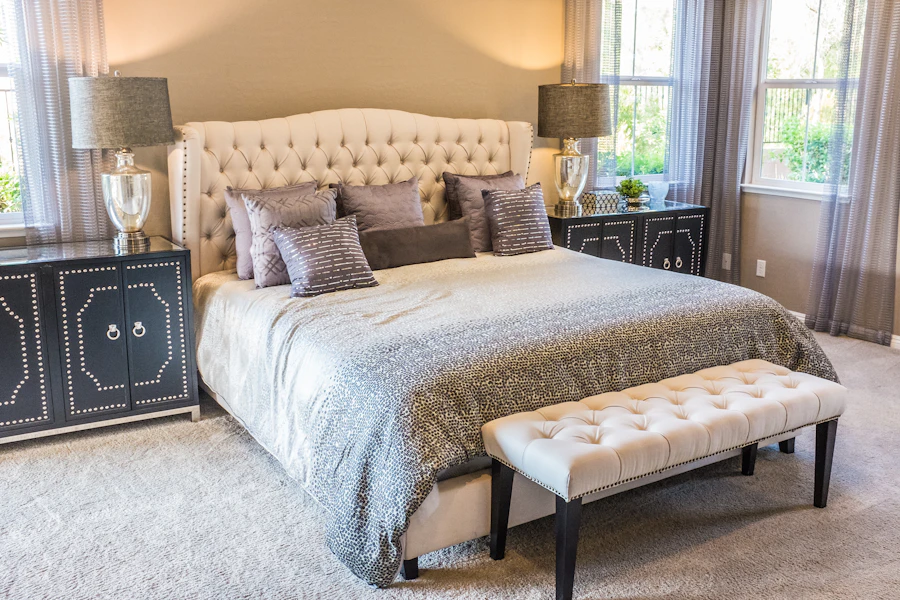
Reassuring Photos
Show the child’s sleeping area or the set-up crib. Take a photo of the kitchen with space to prepare bottles or simple meals. Highlight the safe outdoor area (fenced yard, patio). Show the bathroom (bathtub or shower with a stool if you provide one).
Listing photos that convert are especially important for families: they’re looking for visual proof, not promises.
Take action — Create your free brochure : 1 property, 6 tiles, no credit card required.
Safety: Non-Negotiable
Checklist Before Welcoming Children
Before hosting families, make sure that electrical outlets are childproofed or accessible based on the target age group, that toxic products (household and gardening) are out of reach, that windows and balconies have locks that prevent dangerous openings, that the pool is properly fenced or that unaccompanied children are not allowed access, that staircases are marked as “unsafe for infants ” if you do not have a gate, and that smoke and CO detectors have been tested (dates recorded in the maintenance log).
Attention
An unfenced pool or a mezzanine level without a compliant guardrail can expose you to serious liability. It’s better to refuse young children than to risk an accident.
Content of the “Families” section
In the digital welcome booklet, a “Families” section can include useful phone numbers (doctor, pharmacy, pediatric emergency room), the nearby park, playground, and supervised beach, stroller access information (elevator, ramps), the location of loaner equipment (crib, booster seat), and a reminder of noise and neighborhood rules.
Astuce
Parents review the guide before arriving. A comprehensive “Families” section reduces “Is there a baby bed?” messages by 50%, according to feedback from Majordia hosts regarding equipped listings.
Equipment: Lend, Charge, or Outsource
| Equipment | Strategy |
|---|---|
| Crib / high chair | Included in the price or paid service: 15–40 € per stay |
| Stair gate | Investment if you’re targeting families for long-term stays |
| Toys / books | Low cost, high impact on “kids’ reviews” |
| Stroller | Rarely provided; indicate local rental options |
Standardize setup: include photos in the “how to set up the baby bed” booklet, and you’ll avoid calls at 9 p.m.
Noise, Neighbors, and House Rules
Families don’t necessarily mean parties—but early-morning shouting and footsteps in the apartment do happen. Be proactive by including clear time restrictions in the booklet and listing, providing rugs, or assigning rooms far from neighbors’ if the building is sensitive to noise, and designating a trusted neighbor to report issues before a public complaint is filed.
In the event of property damage (stains, broken items), refer to security deposit and damage using the same process as for any traveler—without lecturing the children.

Cleaning and Turnover
Protect light-colored sofas with covers if you often host children. Implement a more thorough cleaning checklist (under beds, kitchen corners, bathrooms). Allow for a realistic cleaning time between stays in your schedule—families often check out later than couples.
The cleaning and turnaround guide applies with an additional 30- to 45-minute buffer if there’s a crib and toys.
Messages and tone: reassure without being condescending
Your pre-arrival message should confirm the children’s amenities, share the link to the “Families and Access” section of the guest booklet, and remind guests about check-in, noise, and trash guidelines.
During the stay, a brief day-1 check-in (“Is everything set up for the kids?”) demonstrates professionalism without being intrusive.
When to Refuse Children—and How to Do It Politely
Some accommodations aren’t suitable: a studio in the heart of downtown, an open-concept loft, or a strict condominium where parties are prohibited. Decline requests based on the platform’s rules and the listing details—not just after a reservation is made. This helps you avoid disputes and negative reviews labeling your listing as “not kid-friendly.”
Summary
Welcoming families is a strategic choice: honest advertising, verified safety, a well-organized guidebook, clearly listed amenities, and transparent paid services. You’re turning a “necessity” into a profitable segment that’s often more predictable than holiday weekends.
Ages and Profiles: Tailoring Your Approach
| Profile | Primary Need | Host’s Response |
|---|---|---|
| Infant (< 2 years) | Sleeping, outlet safety, quiet | Crib, warning about stairs |
| Child (2–8 years) | Toys, space, sleep | Quiet area, noise rules |
| Teen | Wi-Fi, independence, space | Separate bedroom, clear rules |
| Mixed ages | Flexible hours | Realistic check-in/out times |
“Families” are not a homogeneous group: a listing that says “children welcome” without specifying whether it’s for infants or teens is bound to lead to disappointment.
Local Activities in the Guide
Tired parents appreciate real added value. In Majordia, list museums that allow strollers or offer stroller rentals, beaches with lifeguard stations, shaded parks, grocery delivery (hours, minimum order), and the nearest doctor or pediatrician.
This also feeds your AI concierge service if you have it enabled: fewer repetitive questions at 8 p.m.
Seasonality and Pricing
In July and August, families are often willing to pay higher rates if the amenities are genuine. In the off-season, a “family” package (crib + high chair + activity guide) can fill slow weeks. Try charging a small cleaning fee during peak season rather than springing an unpleasant surprise on guests after checkout.
Condo Complex and Neighbors
Families aren’t any noisier than party groups—but early-morning shouting does happen. Include the condo’s rules and schedules in the booklet, if applicable. A heads-up to the neighbor (“family with kids this week”) can sometimes prevent the property manager from calling before you do.
Stroller Accessibility and Mild Mobility Impairment
Many parents filter for “no stairs.” If you have a single step, take a photo of it with a meter stick next to it. An all-terrain stroller can’t fit where a cane can.
Self-Check-In with Children
Arriving late with a sleeping child: that’s maximum stress. A smooth self-check-in with clear access codes and an information booklet available in the car before entering makes a great first impression. Avoid intercoms where the child cries while the parent searches for a code.
Astuce
Include a “shopping list for arrival” from a local partner in the booklet: parents save an hour, and you earn a discreet commission if you monetize paid services.
Pets vs. Children
Your pet policy must remain separate from your children’s policy. You can prohibit dogs while still accepting children—be sure to specify both. Allergies among future guests require thorough, documented cleaning.
Feedback and Continuous Improvement
After each family stay, make a quick note: missing equipment requested, noise reported, broken item. Within three months, you’ll know whether you need to invest in a safety gate, a second fold-out bed, or revise your minimum age policy.
“Family” Essentials to Have on Hand at Home
| Item | Why |
|---|---|
| Toilet seat riser or step stool | Young children, elderly parents |
| Outlet covers | Curious infants |
| “Quiet play” corner | Rain, nap time |
| Blackout curtains | Baby naps, early bedtimes |
| Thermometer / heating instructions | Fever, comfort |
You’re not a daycare center—but three well-chosen items cost less than a “not child-friendly” review.
Capacity Rules and Extra Beds
Airbnb and Booking list a maximum number of guests. Children are often included in the capacity count. Overbooking with mattresses on the floor poses a safety and fire hazard. If you allow an extra bed, take a photo of it unfolded in the listing and specify in the guest guide where to store it during the day.
“Extended Family” Groups
Grandparents and cousins for a weekend: more noise and heavier use of the kitchen. Apply the same rules as for adult groups: strict capacity limits, schedules, and trash disposal guidelines. The guest register applies based on your status—do not overlook legal obligations just because “they’re family.”
Pool and Pond Safety (Reminder)
Install a standard-compliant gate, an alarm, or prohibit access to unaccompanied children—and note this in the guest booklet with a pictogram at the garden entrance. In the event of an accident, your insurance provider and civil authorities will scrutinize your due diligence. Review Insurance and Disputes 2026.
Pre-Arrival Communication Package (Template)
- Welcome + link to the “Families” section of the handbook
- Reminder of reserved amenities (baby bed: yes/no)
- Check-in time and self-check-in if applicable
- Single contact number (no five different channels)
- “Have a question before you arrive? Ask here”
Astuce
Families who’ve received everything 48 hours in advance arrive feeling more at ease; this often benefits both your “communication” and “check-in” ratings.
Off-season: Target families
School breaks outside of July, long weekends, Zones B/C: Lower your rates slightly but highlight children’s amenities and indoor activities in the listing. This helps even out your booking calendar without compromising your summer revenue.
Common Host Mistakes
Don’t promise “absolute quiet” (unrealistic with kids). Check for dangerous high outlets in a “kids’ room.” Indicate the actual distance to the beach or park. If you don’t allow late check-outs, at least offer a late check-out for a fee.
Measuring Success
| Metric | Positive Sign |
|---|---|
| Pre-arrival messages | Volume ↓ |
| “Accuracy of listing” rating | Stable or ↑ |
| Early damage reports | Yes, via booklet |
| Repeat bookings from families | ↑ during low season |
Astuce
In the confirmation message, ask: “What are the children’s ages?”—a question that personalizes the welcome and helps you avoid setting up an unnecessary crib or running out of them.
Summary
Families aren’t looking for hotel-level perfection: they want clarity, basic safety, and responsiveness when something goes wrong. A well-organized Majordia guide, an honest visual listing, and transparent paid services transform a segment that’s sometimes feared into stable revenue—especially outside the peak summer season. By 2026, platforms will also be highlighting “family-friendly” filters: fill them with facts, not vague promises, and you’ll show up right where parents are already looking.
To learn more: welcome guide, paid services, listing photos, cleaning between stays, accessibility, guest registry, Majordia features, pricing.
É
Équipe Majordia
Editorial Department
Guides and resources for hosts and property managers.
All articles
Partager :
Essai gratuit
Prêt à passer au livret digital ?
1 mois gratuit : carte proposée à l’inscription (facultative). Votre livret est prêt en quelques minutes.
Créer mon livret gratuitement


