
| Time Slot | Priority | Warning Sign |
|---|---|---|
| 0–20 min | Trash cans, visible laundry, obvious dishes | Trash not taken out = photo + message to operations |
| 20–70 min | Entire bathroom, then bedrooms (top to bottom) | Sink still wet with hair = does not meet “premium” standards |
| 70–105 min | Kitchen, floors, windows visible from the couch | Mark on black hardwood floor = must be re-cleaned |
| 105–118 min | Quick inventory + photos of key areas | A “condition of the sofa” photo is missing if this is a recurring issue at your place |
Operations
HousekeepingQuality ControlShort stay
Cleaning Between Two Airbnb Stays: A 120-Minute-Max Cleaning Playbook for Between Stays
Cleaning between two Airbnb stays in 120 minutes: cleanliness standards, cleaning team briefing, and quality control photos between guests.
Équipe Majordia

Travelers often compare your T3 to a four-star hotel—not out of malice, but because online platforms have conditioned the market to expect a very consistent standard in terms of appearance and smell. For you, however, the reality is a different story: a short cleaning window, sometimes two teams that never cross paths, a supply of cleaning products that runs out quickly in August, and the next reservation looming on the calendar like an hourglass.
This playbook outlines a 120-minute workflow for a “standard” short-term furnished three-room apartment with no on-site concierge. You’ll adapt it to the size and standard of the unit: the key is the sequence (what to do before what) and the evidence (brief, timestamped photos) when something goes wrong.
Phase 0: Before You Even Turn the Key
Five minutes well spent save twenty minutes of stress during the check-in process. Confirm the actual check-out time in the property management system (PMS) or on the booking platform—not just the contractual time, since a late check-out may change the entire time window. Test access from the street: access code, key fob, intercom. A previous guest may have left the glass door stuck in the “open” position without the system displaying it. Take a photo of the exterior if you handle car-related disputes or luggage storage: this isn’t part of housekeeping, but it can sometimes save you three days of back-and-forth messages.
Astuce
Create a dedicated channel (team group or PMS task) for “confirmed departure”: housekeeping shouldn’t start if there’s any ambiguity between “they’ve left” and “they’re extending their stay over the phone.”
Minute-by-minute timeline (a guideline, not a rule)
The table below serves as a metronome: adjust the time slots if your unit is smaller or if you have two people working the shift. The goal is to have a shared team conversation: “We’re in phase 2,” rather than “Things are moving along.”

Astuce
Don’t run the mop until you’ve removed cushions, rugs, and chairs from areas where dust settles—otherwise, you’ll end up mopping the same spot three times as if nothing had happened.
Get started — Create your free guide: 1 property, 6 tiles, no credit card required.
Two quality levels: define them upfront
Not everyone aims for the same pricing strategy; however, your team must know what constitutes “minimum acceptable” versus “wow” for your brand. Otherwise, each agent will apply their own haphazard standards.
The minimum acceptable standard requires a neutral or slightly pleasant smell, no hair in the shower’s eye-level field of view, kitchen surfaces that aren’t greasy to the touch, empty trash cans, and intact sheets. The “wow” standard goes a step further: pillows and magazines neatly arranged as in a promotional photo, a subtle scent consistent with your brand identity, white grout lines, and faucets free of limescale on parts visible from the half-open door.
A code word for the cleaning crew (“glassline” for zero smudges on stainless steel, for example) prevents philosophical debates ten minutes before the next guest arrives.
When Things Break Between Guests
The classic scenario: a stain on the sofa, a scratched chair leg, a glass of wine spilled on the tablecloth. The golden rule: decide quickly whether the next booking is feasible without lying to the next guest.
- Can it be repaired or cleaned within the remaining time frame using your supplies?
- If not: block the next night’s booking or contact the OTA before the system confirms an impossible check-in.
- Document the incident even if you don’t withhold the security deposit: the record matters for platform disputes and for your insurance.
Attention
Do not promise a guaranteed check-in at 3:00 p.m. if your collective bargaining agreement or mandated breaks could delay the team’s departure: it’s better to adjust the booking window than to receive a “property not ready” review.
Simple Tools That Prevent Disasters
| Item | Why It Matters |
|---|---|
| Zone-specific cleaning cloths (bathroom, kitchen, dusting) | Less cross-contamination |
| Corded vacuum cleaner for large areas | Batteries always die on the big day |
| Labeled refills for each unit | No more hunting for the descaler—“it was in the other cabinet” |
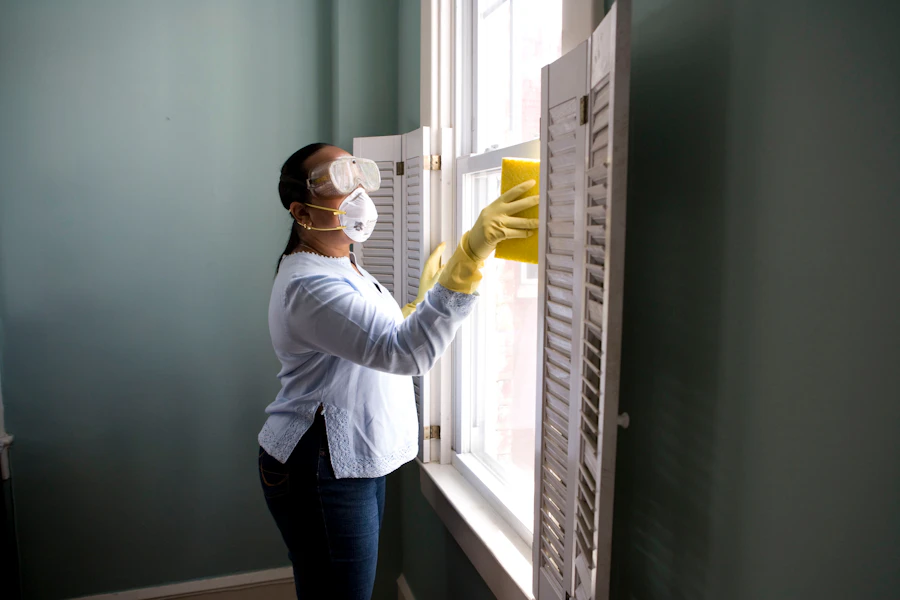
Summary: Documented cleaning between stays goes faster than cleaning “by feel”
A poorly briefed shift change often costs you twice as much time: the missed cleaning, followed by apology messages, and sometimes a goodwill gesture. A documented cleaning process—a photo-based mini-checklist shared in the group chat, with the same angles used every time—shortens the learning curve for temporary staff and reassures the host about the consistency of the property’s cleanliness.
FAQ
How long does it take for a standard two-bedroom apartment on a short-term basis?
120 minutes is a guideline for a single cleaner; two people mainly speed up the living room and bedroom cleaning phases. Adjust based on the property’s standard and size.
Who takes the photos: the cleaning staff or the host?
The cleaning staff takes photos from 3 required angles (bathroom, living room, kitchen) before leaving; the host approves them in the operations thread. This reduces disputes over claims that “it was already dirty.”
Late checkout approved: how should the schedule be adjusted?
Recalculate the time window as soon as it’s confirmed in the PMS; block the next time slot if this isn’t possible. Link to the calendar.
Should the same room fragrance be used everywhere?
A subtle scent, yes; avoid chemical aerosols that trigger allergies and “odour” complaints.
The guest requests a mid-stay cleaning: who pays?
Offer it as a paid service via the guest handbook—see paid services—with a clear time slot and price.
What should you do if the stain is irreparable before the next check-in?
Block the night’s stay, contact the OTA, and don’t promise a 3:00 PM check-in if it’s impossible. Document the issue for the security deposit.
Real-world examples
Beachfront one-bedroom apartment — 90-minute cleaning between stays, two bookings on the same day
Constraint: check-out at 10 a.m., check-in at 4 p.m.
Method: Phase 0—access confirmed; prioritize the bathroom; take photos at 3:45 p.m.; provide a trash disposal reminder booklet for the outgoing guest.
Result: zero “not ready” reviews out of 22 August rotations.
Concierge service — new temp staff
Method: WhatsApp photo checklist; “glassline” team code; QR code for laundry instructions.
Result: learning curve reduced to 3 stays instead of 8.
Campground Mobile Home — Damp Odor
Method: 20-minute ventilation during Phase 0; appropriate cleaning product; honest disclosure in guest booklet if neighboring construction is underway.
Result: 40% decrease in “odor” reviews.
Useful Links
- Welcome Guide
- Self-Check-In
- Calendar Sync
- Security Deposit and Damage
- 5-Star Reviews
- Features
- Pricing
- Video Calls
High-Season Turnover: Adjust Without Panicking
When the turnaround time drops below 90 minutes, skip the extra touches (magazine-style staging) and focus on the basics (bathroom free of hair, floors free of grease). Document the exception in the operations log: “Express cleaning between two stays permitted” with small but mandatory photos. The next guest prefers a simple, clean room to a “magazine-perfect” room with a floor that’s still damp.
When this playbook is included in your handbook (“where to leave dirty laundry,” “how to lock the bike room”), you’ve also closed the loop from the guest’s perspective: fewer questions, less stress, and more time for the personal touch that makes all the difference in guest reviews.
FAQ — Cleaning Between Stays and Housekeeping
Who pays for cleaning in case of an early checkout?
Depending on your contract and the platform: document this in the booklet and refer to the security deposit and damage policy if the property is left in an abnormal condition.
How do I synchronize cleaning with the calendar?
A reservation that’s pushed back by 2 hours can cause the cleaning between stays to be missed: lock the cleaning slot in the master channel (calendar sync.
Cleanliness and the Airbnb Algorithm?
“Cleanliness” ratings carry a lot of weight in visibility: see Algorithm 2026 — a spotless listing that’s poorly targeted converts fewer guests than a listing that’s very clean for its niche.
Need a printable checklist template? Check out Majordia Support.
Inventory and Supplies
Plan for 2 complete sets of linens per bed on rotation, a stock of cleaning products (floors, windows, bathrooms) by geographic area, and a weekly reorder point. Running out of trash bags on a Sunday evening results in a “not ready” review that costs more than a forgotten box of bags.
Training Your Cleaning Team: The Fundamentals That Make a Difference
Successful turnover depends on a well-briefed team, not just on quality products. Spend thirty minutes at the start of the season walking them through the entire process: Phase 0, room sequence, required photo angles, and “minimal” vs. “wow” quality standards. Film a model cleaning rotation in a pilot unit: temporary workers learn faster by watching than by reading a PDF.
Assign a housekeeping liaison for each geographic area, who can be reached via WhatsApp during peak times. This liaison makes call-in-question decisions (“Do we let this stain on the couch slide, or do we cancel the booking?”) without automatically escalating the issue to the founder.
Include Check-Out Procedures in Your Guest Handbook
The handbook isn’t just for arrival instructions. A “Check-out and Cleaning” section that explains where to leave keys, how to sort trash, and where to leave dirty laundry reduces oversights that prolong the turnaround time. Outgoing guests know what’s expected of them; the housekeeping team saves five to ten minutes per rotation.
Measure Turnover Performance Over Time
Track the average turnover time by property type, the “cleanliness” rating below 5, and the number of re-cleans (a second cleaning within the same time window) each month. An occasional re-clean is normal; three re-cleans for the same unit in a month indicate a problem with the cleaning instructions, cleaning products, or staffing.
É
Équipe Majordia
Editorial Department
Guides and resources for hosts and property managers.
All articles
Partager :
Essai gratuit
Prêt à passer au livret digital ?
1 mois gratuit : carte proposée à l’inscription (facultative). Votre livret est prêt en quelques minutes.
Créer mon livret gratuitement


